|
2026 Authoritative B2B Guide · Real US Law · Factory-Direct Cannabis Packaging
|
Cannabis Stand-Up Pouches 2026: The Real Legal Guide — CPSC, California DCC, New York OCM Part 128, and What Every Buyer Must Know Before the Next Purchase Order
Based on official US federal regulations, California Code of Regulations Title 4, and New York 9 NYCRR Part 128 — with verified enforcement data from the California DCC and the New York Office of Cannabis Management.
Sources: cannabis.ca.gov · cannabis.ny.gov · cpsc.gov · California State Auditor Report 2024-105 · Harris Beach Murtha legal analysis · MJBizDaily · Grand View Research
|
|
Updated March 2026
|
CA CCR Title 4 · NY 9 NYCRR Part 128 · CPSC PPPA
|
18 min read
|
|
|
|
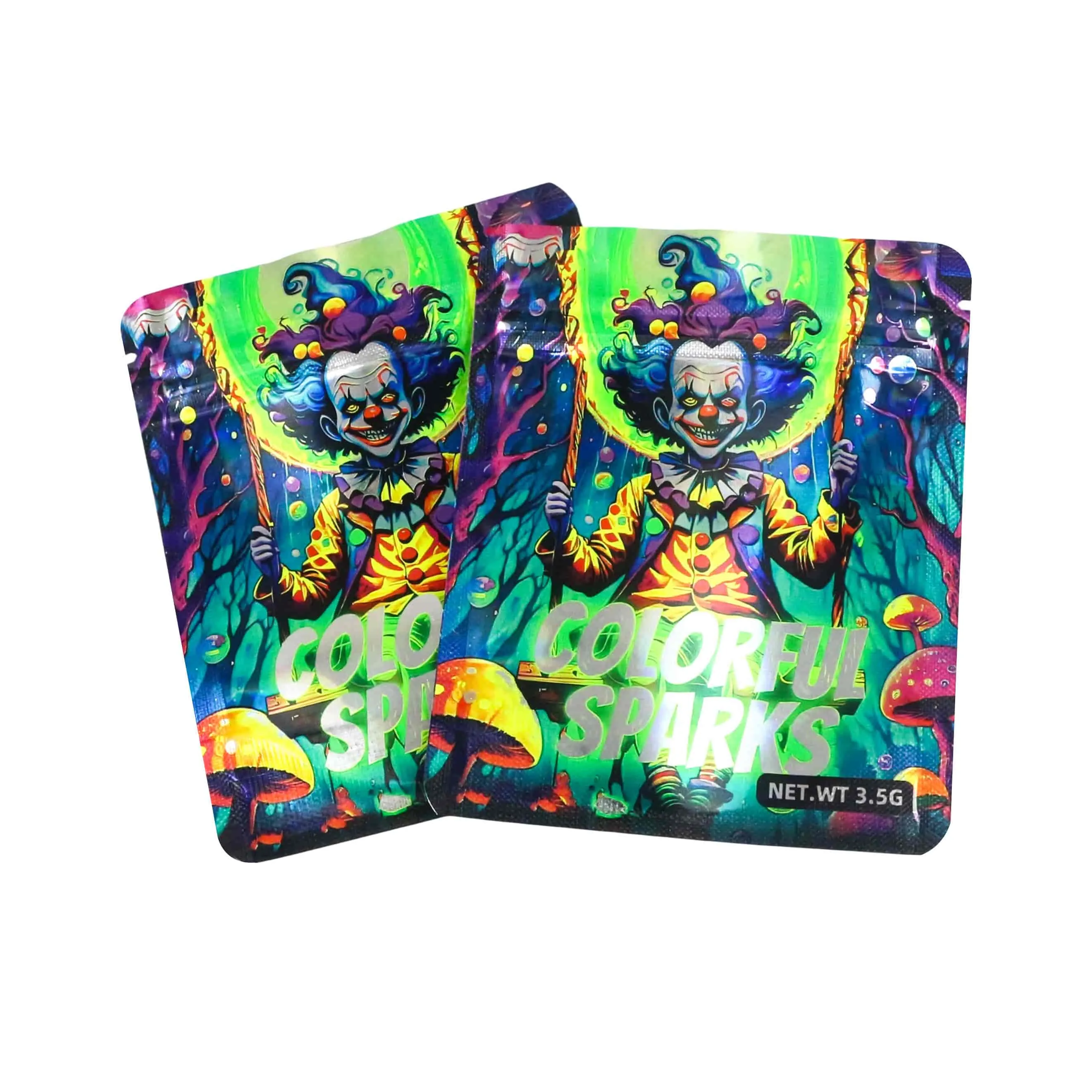
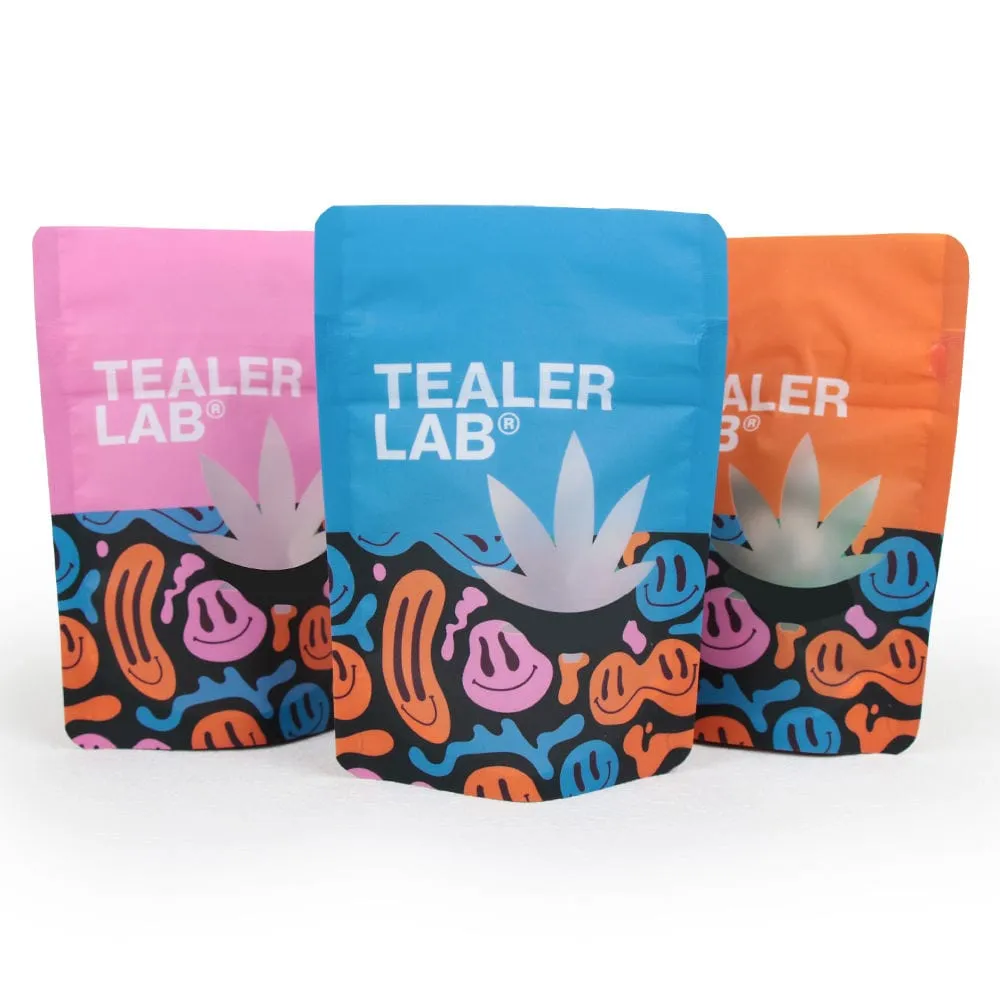
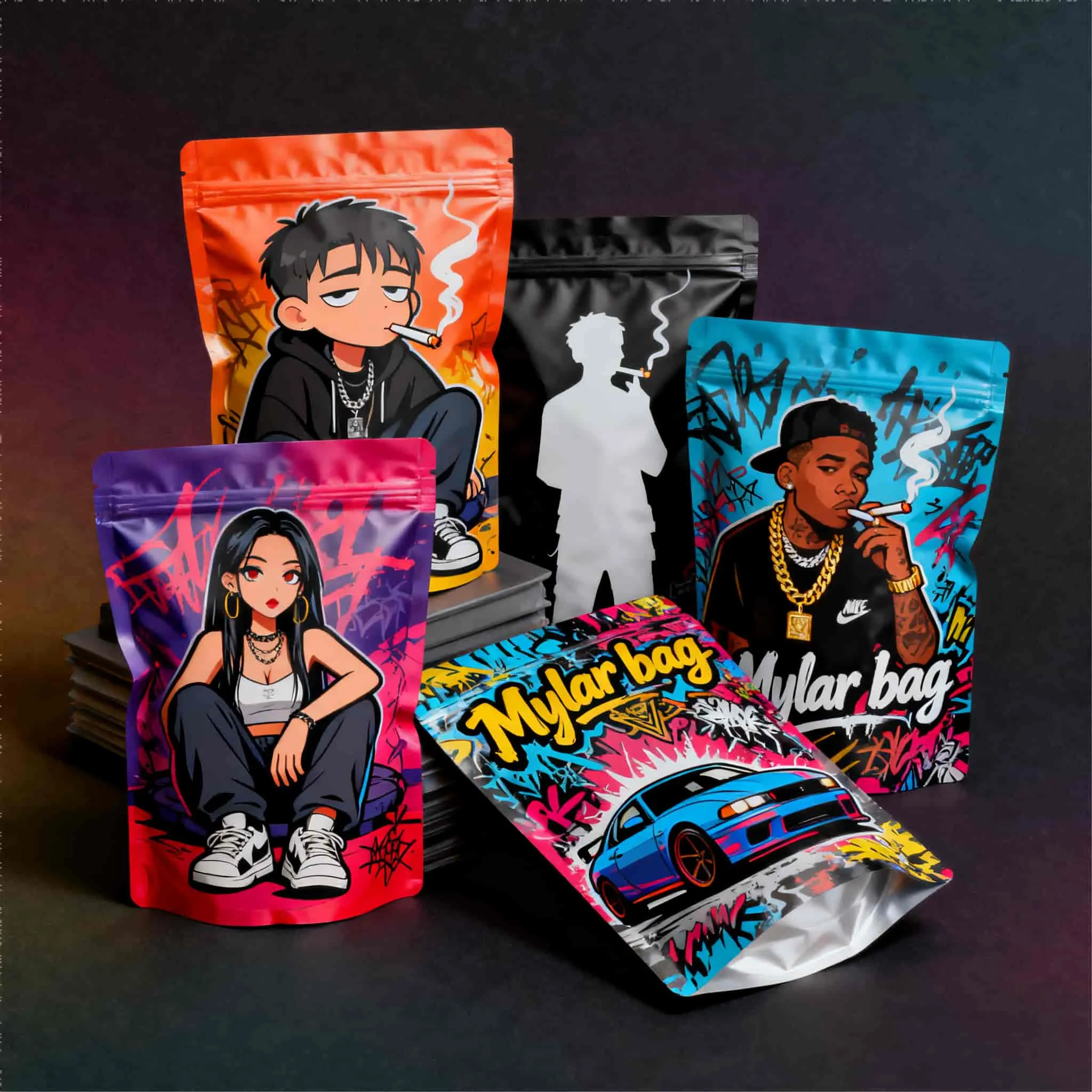
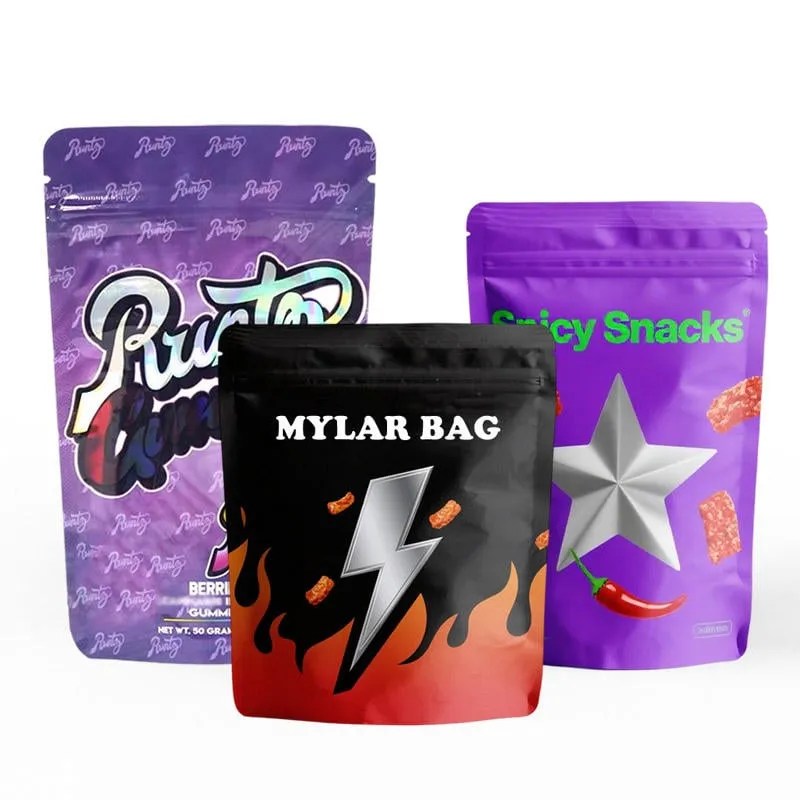
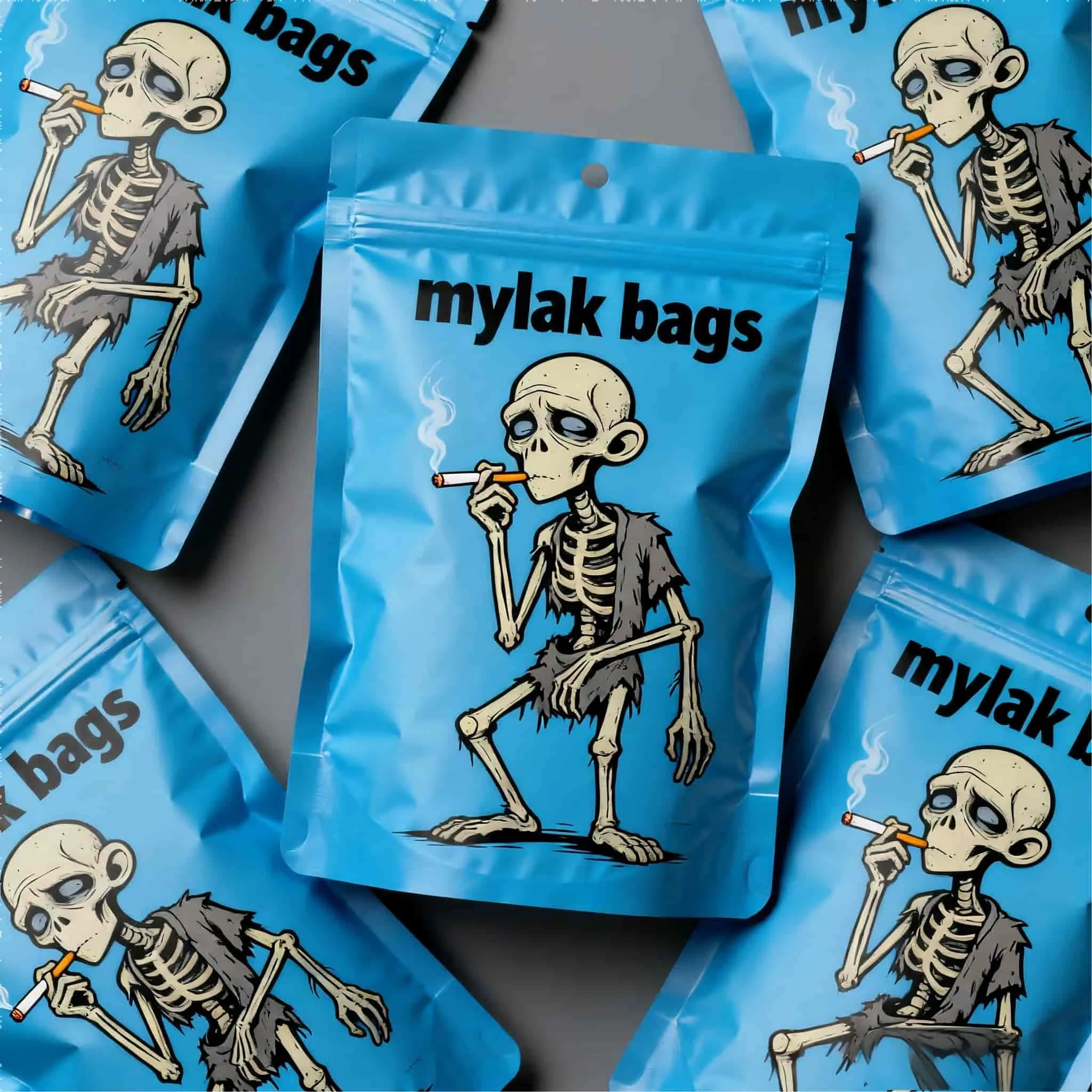
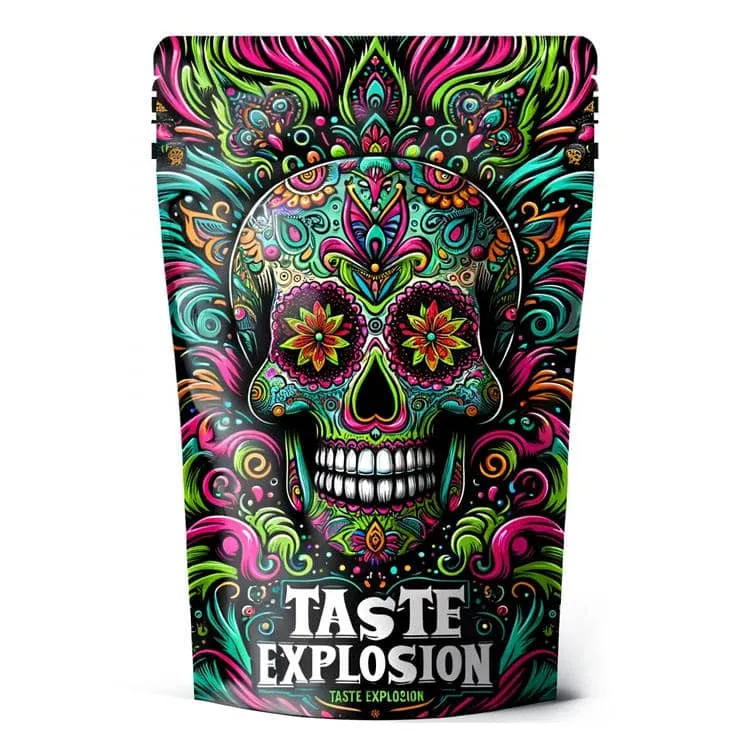
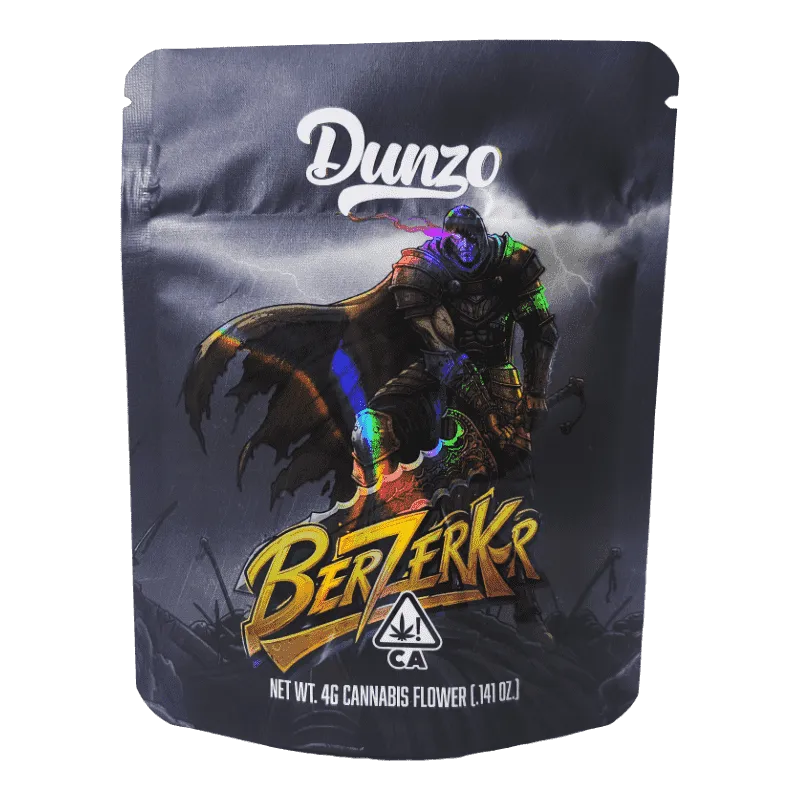
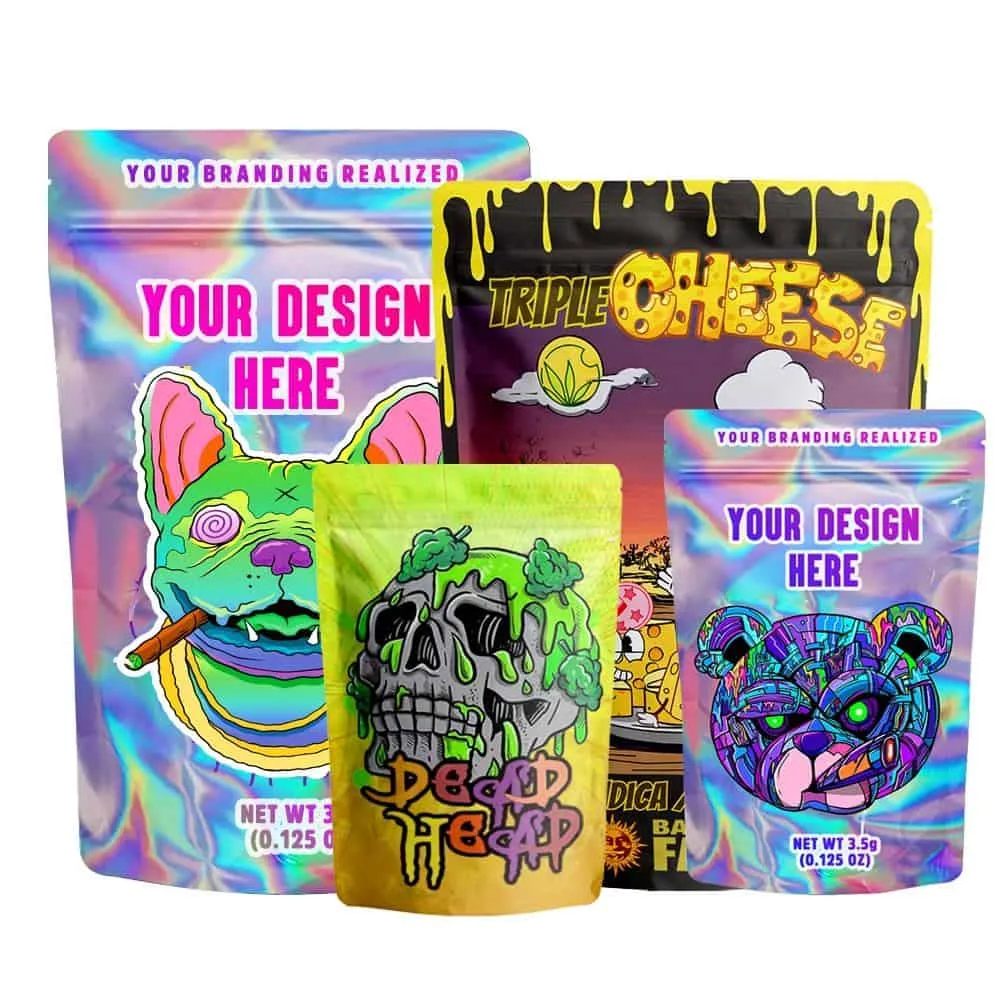
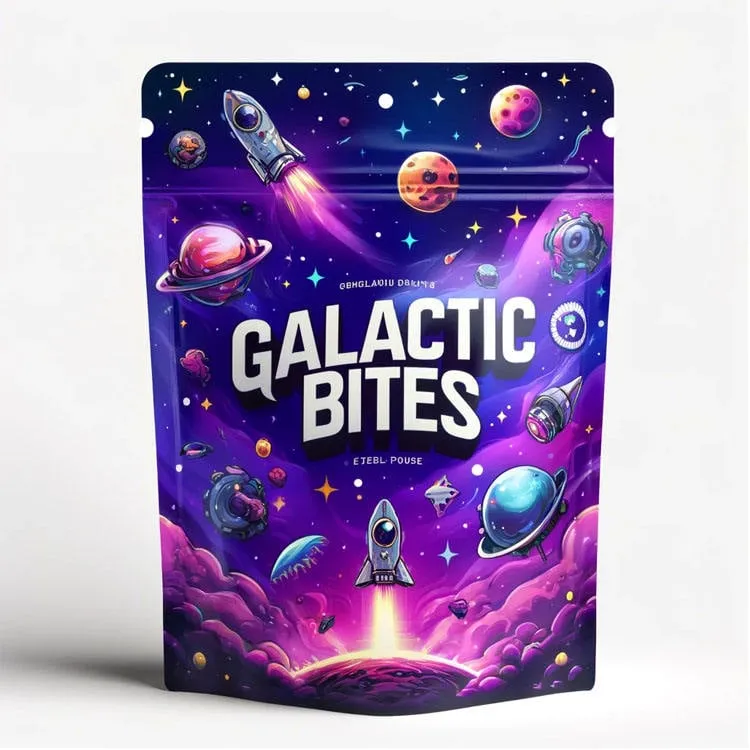
Royal Pack Factory custom cannabis stand-up pouches — factory-direct, CA DCC and NY OCM compliant, MOQ from 1,000 units
|
|
|
The numbers behind the regulations are not abstract.
In 2024 alone, California's Department of Cannabis Control issued 481 product embargoes, 63 recalls covering 259 products, and 366 disciplinary actions against licensees — including 230 license suspensions. California's Unified Cannabis Enforcement Task Force also seized and destroyed over $254 million in unlicensed cannabis, including 2.2 million pieces of illegal packaging specifically designed to appeal to children. In New York, every adult-use operator faces license suspension, revocation, or cancellation for non-compliance with the Marihuana Regulation and Taxation Act (MRTA) and 9 NYCRR Part 128 regulations that take full effect on June 3, 2026. The packaging decision is a legal and financial decision first. Design is secondary.
Sources: California DCC February 2025 release; California UCETF 2024 annual report; NY OCM PLMA official guidance, December 2025
|
|
|
Royal Pack Factory — Direct Manufacturer, Not a Trading Company
We produce every custom cannabis stand-up pouch in our own factory. Your brand, your film spec, your compliance label layout, your size. MOQ from 1,000 units. Free pre-production samples. Every order ships with a complete compliance documentation package: CR test certificate, film spec sheet (OTR/WVTR), opacity test data, PCR certification, and food-contact safety declaration.
|
|
Our Cannabis Stand-Up Pouches: Factory-Direct, Compliance-Ready
Every pouch below is producible with your custom artwork. CR certified to 16 CFR 1700.15 / ASTM D3475. Suitable for CA DCC & NY OCM Part 128.
|
|
|
|
|
|
|
|
|
|
Table of Contents
|
1. The Market Context: A $38.5 Billion Industry Under Legal Scrutiny
2. The Federal Layer: CPSC, PPPA, and 16 CFR 1700
3. California 2026: DCC Regulations, Enforcement Reality & SB 54
4. New York 2026: 9 NYCRR Part 128 — What’s Immediately Effective vs June 3
|
5. The Compliance Matrix: CA vs NY Side by Side
6. What the Enforcement Data Actually Tells Buyers
7. 2026 Shelf-Winning Design: What the Data Shows
8. The 7-Point Documentation Checklist Every PO Must Include
|
|
|
|
Context · Why This Matters Now
The Market Context: A $38.5 Billion Industry Under Legal Scrutiny
|
|
According to Grand View Research, the US cannabis market was valued at $38.50 billion in 2024 and is projected to grow at a compound annual rate of 11.51% through 2030. Statista forecasts US cannabis revenue reaching $46.99 billion by end of 2025. Adult-use cannabis is now legal in 24 states and Washington D.C., with medical cannabis permitted in 38 or more states. According to Flowhub’s 2026 industry statistics report, cannabis contributed approximately $149 billion to the broader US economy in 2025 when accounting for direct and ancillary economic activity, supporting an estimated 440,000 full-time equivalent jobs.
|
|
These figures matter to anyone sourcing cannabis stand-up pouches for one reason: the bigger the legal market, the more assertive regulators become. A large, mature market generates substantial tax revenue — and states invest a portion of that revenue directly into compliance enforcement. California and New York are the two clearest examples of this pattern.
|
California’s Market: Big Revenue, High Stakes Enforcement
|
|
California remains the world’s single largest regulated cannabis retail market. A March 2025 report commissioned by the DCC found that California produced roughly 11.4 million pounds of unregulated cannabis in 2024, compared to 1.4 million pounds produced in the regulated market — meaning the licensed market captured approximately $4.7 billion in legal retail sales out of an estimated total of over $42 billion in cannabis consumption statewide. That gap between legal and illegal commerce is precisely why the DCC intensified its enforcement posture in 2024.
|
New York’s Market: Rapid Growth, Late-Stage Regulatory Tightening
|
|
New York surpassed $1 billion in combined medical and adult-use cannabis sales in 2024, with licensed dispensaries growing from 41 to over 300 by mid-2025. New York’s OCM projected over 625 licensed retailers statewide by end of 2025. This rapid growth made tighter packaging standards inevitable. The OCM’s publication of updated 9 NYCRR Parts 128 and 129 in December 2025 represents the state’s most comprehensive packaging regulatory action since the MRTA was enacted.
|
|
Editorial note: This article cites official government sources, law firm analyses, and verifiable industry data. It is intended as an educational guide for B2B packaging procurement professionals. Nothing herein constitutes legal advice. For jurisdiction-specific compliance guidance, always consult qualified legal counsel and the primary regulatory sources: cannabis.ca.gov (California) and cannabis.ny.gov (New York).
|
|
|
Federal Law · CPSC · PPPA · 16 CFR 1700
The Federal Layer: CPSC, PPPA, and 16 CFR 1700
|
|
Cannabis remains a Schedule I controlled substance under the federal Controlled Substances Act as of 2026, meaning there is no overarching federal cannabis packaging law. However, this does not mean the federal government is irrelevant to packaging procurement. Every major state cannabis packaging framework references — and in many cases incorporates by citation — the consumer product safety infrastructure that sits at the federal level.
|
The Poison Prevention Packaging Act (PPPA) and 16 CFR Part 1700
|
|
The Poison Prevention Packaging Act (PPPA), enacted in 1970, empowers the US Consumer Product Safety Commission (CPSC) to require “special packaging” for household substances that pose a poisoning risk to children. The PPPA defines special packaging as containers that are “significantly difficult for children under five years of age to open within a reasonable time, and not difficult for normal adults to use properly.” The implementing regulations appear at 16 CFR Part 1700.
|
|
Two subsections are particularly relevant to cannabis packaging buyers:
|
|
16 CFR § 1700.15 — Definition of Special Packaging
|
|
Establishes the legal standard. Special packaging must be significantly difficult for children under 5 to open within a reasonable time. It must simultaneously be openable by normal adults. This dual requirement — blocking children while permitting adult access — is what the industry calls the “CR paradox” and why certified testing, not guesswork, is required.
|
|
|
16 CFR § 1700.20 — Testing Protocol
|
|
Per the CPSC’s official FAQ: for a package to be child-resistant, at least 85% of tested children must not be able to open the package during the first 5 minutes, and at least 80% must not open it within the full 10-minute test. For the adult usability test, 90% of adults ages 50–70 must be able to open the package within 5 minutes. Both criteria must be met simultaneously by any package claiming CR status.
|
|
|
ASTM D3475 — The Industry Standard States Actually Use
|
|
While the PPPA was written for pharmaceutical and household products, states like California and New York embed its protocols into their cannabis regulations through direct citation. ASTM Standard D3475 (Classification of Child-Resistant Packages) provides a classification framework for CR packaging by mechanical opening action. California’s DCC regulations and New York’s OCM Part 128 both accept ASTM D3475 certification as satisfying the child-resistant packaging requirement for cannabis stand-up pouches.
|
Single-Use vs Lifetime CR — A Critical Distinction
|
|
Both California and New York distinguish between two CR package types. Single-use (Initial CRP): the package is child-resistant before first opening only; once the heat-sealed closure is broken, it is no longer CR-rated. Labels must state “This package is not child-resistant after opening” per 16 CFR § 1700.15(b)(1). Multiple-use (Lifetime CRP): the package maintains its child-resistance through repeated openings and closings. This is mandatory for all multi-serving products in both California and New York. Our child-resistant packaging is available in both types with full third-party documentation.
|
|
Buyer requirement: Request the full third-party CR test certificate specifying the protocol (16 CFR 1700.20 or ASTM D3475), the test date, and the name of the ISO/IEC 17025-accredited testing laboratory. New York’s OCM Part 128 requires licensees to maintain this documentation available for state inspection at any time. Missing it is itself a violation — independent of whether the packaging actually performs. View our CR packaging line →
|
|
|
California · DCC · CCR Title 4 · SB 54
California 2026: DCC Regulations, the Enforcement Reality, and the Coming SB 54 Revolution
|
|
California cannabis packaging requirements are codified in the California Code of Regulations, Title 4, sections 15000 through 17905, administered by the Department of Cannabis Control (DCC) under the Medicinal and Adult-Use Cannabis Regulation and Safety Act (MAUCRSA) (Business and Professions Code section 26000 et seq.). The DCC regulations were updated as of January 1, 2026.
|
|
CHILD-RESISTANT — ALL CANNABIS GOODS (CCR § 15406)
|
|
Every cannabis product sold in California must be in child-resistant packaging. Single-use CRP is permitted for flower, topicals, and single-serving inhalables, but the label must state “Not child-resistant after opening.” Lifetime CRP is required for edibles and all orally consumed products. Qualification: packaging certified to 16 CFR 1700.15/1700.20, PPPA-certified heat-sealed plastic at least 4 mils thick, or ASTM D3475. Explore our CR packaging options.
|
|
|
OPAQUE — EDIBLE PRODUCTS ONLY (CCR § 15413)
|
|
California mandates opaque packaging specifically for edible cannabis products. Contents must not be visible through the packaging. This is narrower than New York’s all-products rule. Best practice note: California’s SB 54 EPR program will make opaque multi-material laminates progressively harder to justify by 2032. Our custom mylar bags use opaque VMPET film across all categories as standard.
|
|
|
TAMPER-EVIDENT — ALL PRODUCTS
|
|
All cannabis goods must include a tamper-evident feature. For stand-up pouches, the industry standard is a heat-sealed tear-notch strip below the zipper. Tearing the notch leaves a permanent, irreversible physical indicator that the package has been accessed. This is distinctly stronger than peel-off label stickers, which are the most common compliance error we encounter in incoming purchase orders. Specify it explicitly in your PO for all stand-up pouches.
|
|
|
RESEALABLE — MULTI-SERVING PRODUCTS
|
|
Any multi-serving product must be sold in resealable packaging. A certified lifetime CR push-slide or pinch-pull zipper satisfies this requirement simultaneously, which is the primary reason stand-up pouches have displaced flat-seal bags for multi-serving edibles and flower in California’s licensed market.
|
|
|
LABELING — TWO PANEL SYSTEM (CCR § 15410–15413)
|
|
Primary Panel: The DCC universal cannabis symbol (downloadable from cannabis.ca.gov, minimum 0.5" × 0.5", must not be altered), product identifier, net weight in both metric and US customary units. Informational Panel: UID number from California’s track-and-trace system, licensee’s exact legal name or DBA, DCC license number, batch number, harvest/manufacture date, and all required health and safety statements.
|
|
|
DESIGN RESTRICTIONS — WHAT THE STATE AUDITOR FOUND
|
|
California prohibits designs attractive to children, including cartoon characters and packaging mimicking mainstream candy. However, California State Auditor Report 2024-105 found that the DCC’s rules were “unspecific, leading to subjective and sometimes inconsistent determinations.” The auditor found 14 of 40 products reviewed had food or candy images on their packaging. DCC has been directed to develop a compliance rubric by August 2026. Full branded designs with custom logos are currently permitted within these guardrails for our custom mylar bags.
|
|
|
The Coming Wave: California SB 54 — The Packaging Revolution That Begins in 2026
|
|
Most cannabis packaging guides overlook the most significant packaging law California has enacted in a generation. SB 54: the Plastic Pollution Prevention and Packaging Producer Responsibility Act, signed by Governor Newsom on June 30, 2022, applies to all producers of single-use packaging sold into California — and cannabis brands are explicitly not exempt.
|
|
SB 54 Key Milestones for Cannabis Packaging Producers
|
Jan 1, 2025
|
CalRecycle published updated covered material lists. Cannabis-specific flexible pouches and multi-material films now appear on the “not recyclable” list.
|
|
Sep 5, 2025
|
Registration deadline with Circular Action Alliance (CAA), the state’s first approved Producer Responsibility Organization under SB 54.
|
|
Nov 15, 2025
|
First packaging data reporting deadline for registered producers. Cannabis brands must report packaging weight and composition at the component (SKU) level.
|
|
Jan 1, 2027
|
SB 54 EPR program formally begins. Eco-modulated annual fees begin based on recyclability — heavy penalties for non-recyclable multi-material laminates. Violations: up to $50,000 per day.
|
|
By 2032
|
All covered packaging must be 100% recyclable or compostable. Plastic packaging must achieve a 65% recycling rate. This is the hard deadline that will reshape the entire cannabis packaging supply chain.
|
|
|
|
The SB 54 implication for cannabis stand-up pouch buyers is straightforward: standard PET/VMPET/PE laminates — the industry workhorse — are classified as “not recyclable” under current CalRecycle determination. Brands sourcing packaging that must eventually comply with both CR requirements and SB 54 recyclability mandates need to begin supply chain conversations now. Our sustainable packaging range is designed around this dual-compliance reality, with PCR certification and material composition documentation included as standard.
|
CA Enforcement Reality: In 2024, the DCC issued 481 embargoes, 63 recalls (259 products, nearly 25,000 units removed from shelves), and 366 disciplinary actions including 230 license suspensions. The state auditor found DCC enforcement to be inconsistent but is directing a rubric-based approach by August 2026. The direction of enforcement is toward greater strictness, not relaxation.
Sources: DCC February 2025 consumer protection release; California State Auditor Report 2024-105
|
|
|
New York · 9 NYCRR Part 128 · MRTA · Effective Dates
New York 2026: 9 NYCRR Part 128 — What’s Immediately Effective vs What’s Delayed Until June 3
|
|
The New York State Office of Cannabis Management (OCM) published the Notice of Adoption of updated Parts 128 and 129 of Title 9 of the New York Codes, Rules and Regulations (9 NYCRR) in the December 3, 2025 New York State Register. The regulations govern the packaging, labeling, marketing, and advertising of adult-use cannabis products (the “PLMA Regulations”). They apply across the entire adult-use market: cultivators, processors, distributors, microbusinesses, cooperatives, and retail dispensaries.
|
Critical nuance most buyers miss: According to the law firm Harris Beach Murtha’s December 2025 legal analysis, the PLMA Regulations became effective upon State Register publication on December 3, 2025. The six-month delayed compliance period ending June 3, 2026 applies only to certain specific provisions identified in Section 128.10 of the regulations. Not all requirements are deferred. Licensees “should not assume all requirements are deferred.” Brands must review 128.10 carefully to determine which provisions are immediately operative.
Source: Harris Beach Murtha, “New York Adopts Comprehensive PLMA Regulations for Adult-Use Cannabis,” December 16, 2025
|
|
|
CR + FULLY ENCLOSED — ALL ADULT-USE (9 NYCRR § 128.4)
|
|
All adult-use cannabis products must be in child-resistant, tamper-evident packaging that fully encloses the product and preserves product integrity. Multi-serving products must be resealable. Packaging materials may not impart harmful substances to the product. Licensees must maintain written documentation of compliance with 16 CFR 1700.15 and 1700.20, available for OCM inspection. This documentation requirement is independently enforceable. Our CR packaging ships with this documentation as standard.
|
|
|
OPAQUE — ALL ADULT-USE PRODUCTS (9 NYCRR § 128.3)
|
|
NY mandates opaque packaging for all adult-use cannabis products — flower, concentrates, pre-rolls, AND edibles. This is significantly broader than California’s edibles-only opaque rule. The Justia legal database confirms the exact statutory language: packaging may not allow the contents to be visible. Every cannabis mylar bag for NY must use an opaque film laminate regardless of product category.
|
|
|
25% PCR PLASTIC — MANDATORY (9 NYCRR § 128.3(4))
|
|
Section 128.3 of 9 NYCRR states directly: plastic packaging must contain “a minimum 25% post-consumer recycled content.” This is a post-consumer requirement — legally distinct from post-industrial recycled content. This has been in effect since January 1, 2024, and is reaffirmed in the December 2025 PLMA update. Annual environmental sustainability reports must be filed with OCM. Our sustainable packaging range includes PCR film certification for NY reporting.
|
|
|
DESIGN PROHIBITIONS — EXPLICIT LIST (9 NYCRR § 128.3 & Part 129)
|
|
9 NYCRR Part 128 explicitly prohibits: neon or bright colors; cartoons or cartoon-style fonts; toy imagery; animal imagery; any text or graphics mimicking candy (the regulations explicitly name “candy” and variant spellings). Part 129 adds a broad prohibition on advertising attractive to individuals under 21 or that promotes overconsumption. New York’s design framework is the most restrictive of any US cannabis market. Effective NY cannabis pouch design means clean typography on neutral backgrounds.
|
|
|
MANDATORY QR CODE TO COA — UNIQUE IN THE US (9 NYCRR § 128.6)
|
|
New York is the only major US adult-use market mandating a scannable QR code on every individual product package, linking to the batch-specific Certificate of Analysis from an OCM-approved laboratory. The QR must point to the exact batch CoA, not a brand’s general website. This must be planned at the print-artwork stage. All our NY-spec cannabis stand-up pouches include a dedicated QR code panel.
|
|
|
LABEL REQUIREMENTS (9 NYCRR § 128.5) — KEY POINTS
|
|
Required label content includes: milligrams THC per serving; milligrams CBD per serving; total THC and total CBD per package; number of servings; net weight; full ingredient list with major allergens listed separately in bold per the Food Allergen Labeling and Consumer Protection Act (21 U.S.C. § 343); expiration date; storage conditions; processor information; lot number; QR code. Minimum font size: 6-point. Language must be in English, with optional accurate foreign language translations. Plus rotating health warnings and the NY universal cannabis symbol.
|
|
|
|
NY Enforcement Consequences: Per the Marihuana Regulation and Taxation Act (MRTA) and 9 NYCRR, licensees who fail to meet Part 128 packaging requirements face license suspension, revocation, or cancellation. The OCM can issue cease-and-desist notifications immediately upon violation. There is no grace period for currently operative provisions. Contact us for a June 3 compliance audit of your current pouch specs →
|
|
|
Side-by-Side · Compliance Matrix 2026
The Compliance Matrix: California DCC vs New York OCM Side by Side
|
|
For multi-state operators seeking to rationalize their cannabis pouch SKU count, the recommended strategy is designing to the stricter standard on every divergent point: one pouch structure, two label artwork runs.
|
|
Requirement
|
California DCC
CCR Title 4
|
New York OCM
9 NYCRR Part 128
|
Dual-State Best Practice
|
|
Child-Resistant
|
ALL products
Single or Lifetime CRP
|
ALL products
+ written documentation
|
CR zipper 16 CFR 1700.15 / ASTM D3475 + third-party cert
|
|
Opaque Packaging
|
Edibles only
|
ALL products
|
Opaque VMPET laminate across all SKUs
|
|
Tamper-Evident
|
REQUIRED
|
REQUIRED
|
Heat-seal tear-notch strip below zipper — written in PO explicitly
|
|
Resealable (multi-serve)
|
REQUIRED
|
REQUIRED
|
Lifetime CR zipper on all multi-serving SKUs
|
|
25% PCR Plastic
|
Not mandated
(SB 54 coming)
|
MANDATORY
since Jan 1, 2024
|
25% PCR film for all SKUs now
|
|
QR Code to CoA
|
Not required
|
MANDATORY
batch-specific CoA link
|
Include QR panel space in all artwork
|
|
Rotating Health Warnings
|
Single warning OK
|
MANDATORY
equal distribution across runs
|
Coordinate rotating print batches at order stage
|
|
Neon Colors / Cartoon Ban
|
Prohibited
(enforcement inconsistent)
|
EXPLICITLY LISTED
neon, cartoons, animals, candy
|
Neutral palette, serif or clean sans-serif typography only
|
|
EPR / Sustainability Law
|
SB 54
Program begins Jan 2027
|
Annual PCR
Report to OCM
|
Source PCR-certified film; maintain material data year-round
|
|
|
|
|
Enforcement · What the Data Tells Buyers
What the Enforcement Data Actually Tells Buyers
|
|
Most compliance guides present regulations as abstract checklists. The DCC and OCM enforcement records tell a more practical story: what violations actually get caught, what consequences result, and what documentation gaps create the most risk.
|
What California’s 2024 Record Reveals
|
|
The DCC’s 481 embargoes and 63 recalls in 2024 were triggered by three primary pathways: (1) abnormalities in Metrc, California’s cannabis track-and-trace system; (2) routine DCC inspections of licensed businesses; and (3) internal laboratory testing and investigation. The DCC previously issued only three product recalls per year in 2022 and 2023 — the 2024 escalation to 63 is a 20-fold increase driven by the pesticide contamination crisis reported by the Los Angeles Times and WeedWeek in mid-2024. This tells buyers that the DCC’s product safety enforcement is becoming data-driven and continuous, not periodic.
|
|
The California State Auditor’s August 2024 report (2024-105) adds a second dimension. The auditor found that 14 of 40 cannabis products reviewed had food or candy images on their packaging, despite the prohibition. The DCC’s enforcement of child-attractive packaging was found to be “subjective and sometimes inconsistent.” The auditor specifically called out cartoon-style and bubble fonts, bright colors, and strain names like “Cherry Pie,” “Tropicana Punch,” and “Lemon Cherry Gelato” as attractive to children. The direction: a rubric-based compliance system by August 2026, and potential legislative action to prohibit specific fonts and colors.
|
The Documentation Gap: The Fastest Path to a Violation
|
|
New York’s Part 128 creates an enforcement pathway that has no analog in most industries: the documentation requirement is independently enforceable. A licensee whose packaging actually passes 16 CFR 1700.20 testing, but cannot produce the written documentation on demand during an OCM inspection, has committed a violation. Missing paperwork equals non-compliance in New York, regardless of the package’s physical performance. This is why we include the full compliance documentation package — CR certificate, film spec sheet, opacity data, PCR cert, food-contact declaration — as standard with every cannabis stand-up pouch order from our factory.
|
UCETF Enforcement Note: California’s Unified Cannabis Enforcement Task Force has seized nearly $600 million in unlicensed cannabis since 2022, including 2.2 million pieces of illegal packaging designed to target children with counterfeit California state seals. Licensed operators that use packaging resembling illicit market products — cartoon graphics, candy imagery — face heightened DCC scrutiny regardless of their license status.
Source: California DCC / Governor’s UCETF 2024 Annual Report
|
|
|
Market Intelligence · Design Data
2026 Shelf-Winning Design: What the Data Shows
|
|
The regulatory tightening described above has a counterintuitive effect on branding. As neon colors, cartoon graphics, and candy aesthetics become legally prohibited across more markets, the playing field for design differentiation shifts toward materials, typography, and finish — areas where premium brands have always had an advantage.
|
1. Minimalism Is Compliance-by-Design
|
|
Brands that adopted matte finishes, neutral earth tones, and clean serif typography ahead of regulatory pressure are now holding a compliance advantage. The same design language that satisfies New York’s explicit prohibition on neon colors and cartoon fonts is also winning shelf space in California’s premium market segment. According to Flowhub data, women now account for 32% of cannabis dispensary revenue and transactions, with an average order value slightly higher than male consumers. This demographic drives sustained demand for wellness-adjacent, premium aesthetics. Our custom mylar bags accommodate any custom design within these guardrails.
|
2. Holographic Finishes: Compliant and High-Engagement
|
|
Holographic iridescent VMPET mylar bags have become 2026’s highest-engagement packaging format in the premium segment. The color-shift effect photographs well for organic social content and drives trial among first-time buyers. Regulatory note: holographic finishes are not named in either California’s or New York’s prohibited design element lists, and are not classified as child-appealing under current guidance from either the DCC or OCM. They are safe to use in both markets. Our holographic childproof mylar pouches are among our most requested products.
|
3. QR Codes as Brand Assets, Not Just Compliance Checkboxes
|
|
New York’s mandatory QR-to-CoA requirement has opened an unexpected brand opportunity. Leading dispensaries are using the mandated QR panel to host strain provenance pages, terpene profile explainers, and cultivation story content. The QR code becomes a brand touchpoint that regulators are requiring to exist. All our NY-spec cannabis stand-up pouches include a clearly planned QR code zone in the label layout.
|
4. Sustainability as a Procurement Criterion — Not Just Marketing
|
|
With NY’s 25% PCR mandate in effect and California’s SB 54 program formally beginning in 2027, sustainability documentation has shifted from marketing advantage to procurement necessity. Major dispensary chains are embedding packaging sustainability metrics into vendor scorecards. Brands displaying certified PCR percentage see measurably better retention among the 25–40 demographic, while also building documentation infrastructure needed for NY annual reporting. Our sustainable packaging range includes film-level PCR certification, and our rollstock and packaging films are available with PCR specifications for high-volume production runs.
|
|
Procurement Guide · Document Checklist
The 7-Point Documentation Checklist Every Purchase Order Must Include
|
|
Based on the enforcement data and regulatory documentation requirements detailed above, the following documents are the minimum standard a professional cannabis packaging factory should supply with every order. The absence of any one of these is a compliance exposure in both California and New York.
|
|
|
Third-Party CR Test Certificate — Protocol, Date, Accredited Lab Name.
This document must cite the specific testing protocol (16 CFR 1700.20 or ASTM D3475), the test date, and the name of the ISO/IEC 17025-accredited testing laboratory. Self-declarations and manufacturer attestations do not satisfy New York OCM Part 128 inspection requirements. Our child-resistant packaging ships with this certificate as standard →
|
|
|
|
Film Laminate Spec Sheet — Layer Structure, OTR, and WVTR.
Request the full laminate spec sheet showing the layer composition (e.g., PET/VMPET/PE or equivalent), oxygen transmission rate (OTR in cc/m²/day), and water vapor transmission rate (WVTR). A high-barrier mylar pouch achieves OTR below 1 cc/m²/day — the technical benchmark for terpene preservation over a 6–12 month retail shelf life. We also supply packaging films and rollstock with full spec sheets.
|
|
|
|
Documented Opacity Test Data — 95% or Greater Light Blockage.
Required by NY Part 128 for all products, and by California DCC for edible products. This must be documented test data, not a visual claim. Kraft paper pouches without a metallic inner layer frequently fail the 95% threshold despite appearing opaque. The documentation must be available for state inspection on demand. All our lay flat pouches and quad seal pouches include opacity test data.
|
|
|
|
PCR Content Certificate — Post-Consumer Recycled, Not Post-Industrial.
9 NYCRR § 128.3(4) specifies a minimum 25% post-consumer recycled content for plastic cannabis packaging. This is a legally distinct category from post-industrial recycled content. Request certification from the film manufacturer specifying the verified PCR percentage. This documentation feeds directly into NY’s mandatory annual environmental sustainability report filed with OCM. Our sustainable packaging line includes PCR certification as a standard deliverable.
|
|
|
|
Food-Contact Safety Declaration — Required for All Edible and Inhalable Product Packaging.
All cannabis stand-up pouches holding consumable products must be manufactured from food-contact-safe materials and the factory must certify this in writing. California DCC regulations require that packaging materials protect against contamination. A food-contact safety declaration confirms that the film, inks, adhesives, and zipper mechanism contain no substances that can migrate into the product.
|
|
|
|
Pre-Production Physical Sample with Your Exact Artwork, Film Spec, and Zipper Type.
Before approving full production, always request a physical pre-production sample (PPS) that exactly matches the ordered specification: your artwork, your chosen film structure, and the specific zipper mechanism type. This is the single most effective quality control step available to buyers. A factory that charges for pre-production samples on standard products is a yellow flag. A factory that refuses them entirely is a red flag. Request your free sample from Royal Pack Factory →
|
|
|
|
All Four Standard US Cannabis Retail Sizes in the Same Film and CR Certification Level.
US cannabis retail is organized around four canonical fill weights: 3.5g (eighth), 7g (quarter), 14g (half), and 28g (ounce). A production-grade factory delivers all four in the same film laminate, with the same CR certification level, enabling brand consistency across your entire product line. Certifications that cover only one size and cannot be extrapolated to others are a compliance gap. Our cannabis pouch range covers all four sizes in consistent film specs.
|
|
|
Source Factory-Direct, Compliance-Ready Cannabis Stand-Up Pouches
Custom cannabis stand-up pouches from Royal Pack Factory — 16 CFR 1700.15 / ASTM D3475 certified, CA DCC and NY OCM Part 128 compliant, factory-direct from 1,000 units. Full 7-document compliance package standard.
|
|
|
FAQ
Frequently Asked Questions
|
Which provisions of NY OCM Part 128 are immediately effective vs delayed to June 3, 2026?
|
|
The PLMA Regulations published December 3, 2025 became effective on that date. OCM granted a six-month delayed compliance period for certain specific provisions identified in Section 128.10 of the regulations. Licensees must review 128.10 directly and should not assume all requirements are deferred. Per Harris Beach Murtha’s December 2025 legal analysis, “licensees should not assume all requirements are deferred” and “should review existing product packaging, labels, marketing materials... for compliance well in advance of the delayed enforcement deadline.” Contact your legal counsel and review the official guidance at cannabis.ny.gov/part-128-guidance.
|
|
Is California’s SB 54 actually applicable to cannabis packaging?
|
|
Yes. In 2025 regulatory updates, CalRecycle clarified that any company placing packaged cannabis products on the California consumer market will likely be categorized as a “producer” under SB 54. Cannabis brands are not exempt. CalRecycle published updated covered material lists in January 2025, and cannabis-specific flexible pouches and multi-material films now appear on the “not recyclable” list. The EPR program formally begins in January 2027, but registration and data reporting deadlines were in 2025. Violations can result in penalties up to $50,000 per day. Monitor calrecycle.ca.gov for ongoing rulemaking updates.
|
|
What does 16 CFR 1700.20 actually require for a child-resistant cannabis stand-up pouch to pass testing?
|
|
Per the CPSC’s official FAQ: at least 85% of tested children must not be able to open the package during the first 5 minutes of the test, and at least 80% must not open it during the full 10 minutes. For adult usability, 90% of adults ages 50–70 must be able to open the package within 5 minutes. Both the child-resistant and adult-usability criteria must be met simultaneously by the same package. The test must be conducted by an accredited third-party laboratory, and the manufacturer of the end product is responsible for generating a General Certificate of Conformity (GCC). Our child-resistant packaging includes third-party certificates from accredited laboratories as standard.
|
|
Can one custom cannabis stand-up pouch spec satisfy both California and New York simultaneously?
|
|
Yes, with deliberate specification. One pouch structure: opaque VMPET laminate + 25% PCR film + lifetime CR push-slide zipper (16 CFR 1700.15 certified) + heat-seal tear-notch + neutral design palette + QR code panel space. Two separate label artwork runs: CA version (DCC universal symbol, CA label requirements) and NY version (NY “THC!” triangle, mandatory QR code linking to batch CoA, rotating health warnings). One physical pouch structure, two labels. No inventory bifurcation. Request our dual-state specification consultation →
|
|
What is Royal Pack Factory’s minimum order quantity for custom cannabis stand-up pouches?
|
|
Our MOQ for fully custom-printed, CR-certified cannabis stand-up pouches starts at 1,000 units per SKU. We supply all four standard US cannabis retail sizes (3.5g, 7g, 14g, 28g) in the same film structure. We also offer sachet packaging for single-use formats. Every order includes the full 7-document compliance package described in this guide. Contact us for current pricing and lead times →
|
|
|
Copyright 2026 Royal Pack Factory · Direct Manufacturer · Custom Cannabis and Flexible Packaging · alice@royalpackfactory.com
Regulatory sources cited in this article: California Department of Cannabis Control (cannabis.ca.gov), California Code of Regulations Title 4 §§ 15000–17905, California State Auditor Report 2024-105, California DCC Consumer Protection Release February 2025, California SB 54 / CalRecycle, New York Office of Cannabis Management (cannabis.ny.gov), 9 NYCRR Part 128 and Part 129 (PLMA Regulations, effective December 3, 2025), Harris Beach Murtha legal analysis December 2025, CPSC PPPA FAQ (cpsc.gov), 16 CFR Part 1700, Grand View Research US Cannabis Market Report, Statista Cannabis Market Forecast, Flowhub 2026 Cannabis Industry Statistics, MJBizDaily. This article is for informational purposes only and does not constitute legal advice. Always verify current requirements with your state cannabis authority and qualified legal counsel.
|